

Need to talk?
Silence, secrecy, and shame can isolate us from the care and connection we need. I offer a space where you can feel safe, seen, and understood, as we explore your experiences with curiosity and compassion. Together, we will develop a clear understanding of what is happening beneath the surface, and how your current struggles came to be. From this understanding, change becomes possible. Whatever you are facing, you do not have to go through it alone.
Maya AngelouThere is no greater agony than bearing an untold story inside you.
About
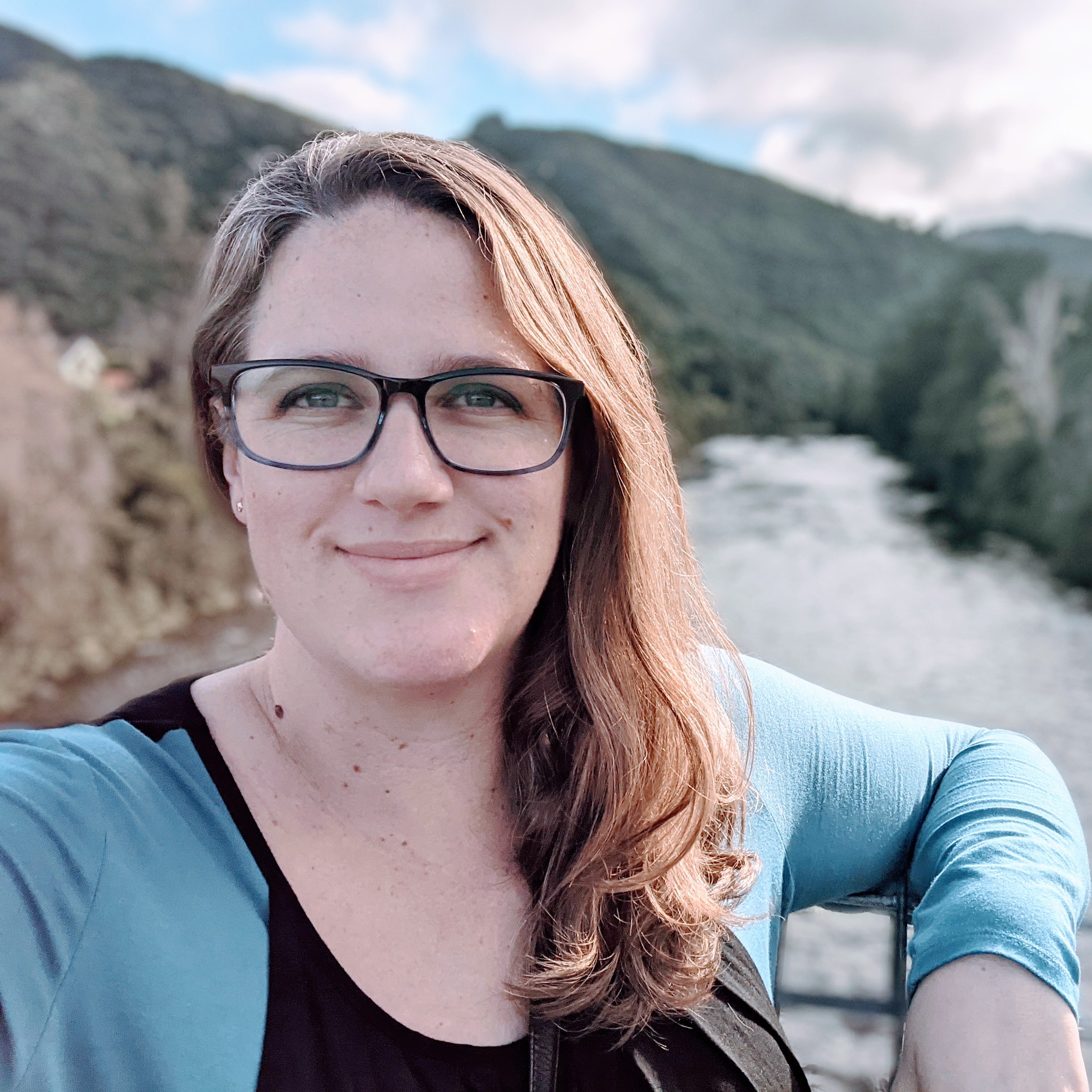
Kia ora. I’m Lisa Silva, a mental health therapist and clinical counsellor based in Upper Hutt, New Zealand.
I bring both professional training in clinical psychology and personal appreciation of the complexities of being human into my work.
My approach integrates cognitive-behavioural therapy (CBT), schema therapy, and attachment-based models, particularly when working with developmental trauma and relational wounds.
I consider the whole person: your biology, psychology, relationships, social context, and life history. My approach is scientific and evidence-informed, while remaining attentive to the underlying need to feel validated, nurtured and cared for. Together, we seek to understand not only what is happening, but why.
How I Work
Effective therapy requires more than techniques. Many people come to therapy feeling confused, stuck, or self-critical, without a clear understanding of why they are struggling. Our work begins with a structured assessment and collaborative investigation to develop a shared map of your difficulties: how they developed over time, what triggered them, and what may be keeping them going now. In psychology, this is called a clinical formulation. Rather than focusing only on symptoms, formulation helps us understand your experiences in the context of your life, allowing patterns that once felt confusing or shameful to begin to make sense. When your difficulties make sense, meaningful change becomes much more achievable.
This approach is relevant whether or not your difficulties would meet the threshold for DSM-5 diagnostic categories (such as Obsessive-Compulsive Disorder or Post-Traumatic Stress Disorder). Unlike a ‘diagnosis’, which places people into predefined categories, a formulation is unique to you. You can think of a diagnosis as a description (a label for a group of symptoms), whereas a formulation is an explanation of both how and why those symptoms developed and what may be maintaining them. This ensures that our work is tailored specifically to you and your situation, rather than applying a generic set of techniques.
At the same time, I prioritise secure attachment and relational safety within the therapeutic relationship. The evidence shows that the origin of many different psychological difficulties is rooted in early formative experiences of parental inconsistency, emotional dismissal, or unpredictable relational threat. Therefore much of the deeper healing of painful core beliefs, crippling shame and attachment distress occurs gently and organically within the nurturing therapeutic relationship itself, as you come to feel safe, seen, soothed and secure, for perhaps the first time in your life.
Read more about the process
Assessment
Over our first few sessions, we explore your developmental history, significant life events, current context, and symptoms. We identify recurring emotional, cognitive, and behavioural patterns, and may use specific psychometric questionnaires to clarify symptom patterns and provide additional insight into beliefs, coping strategies, and attachment dynamics.
Formulation
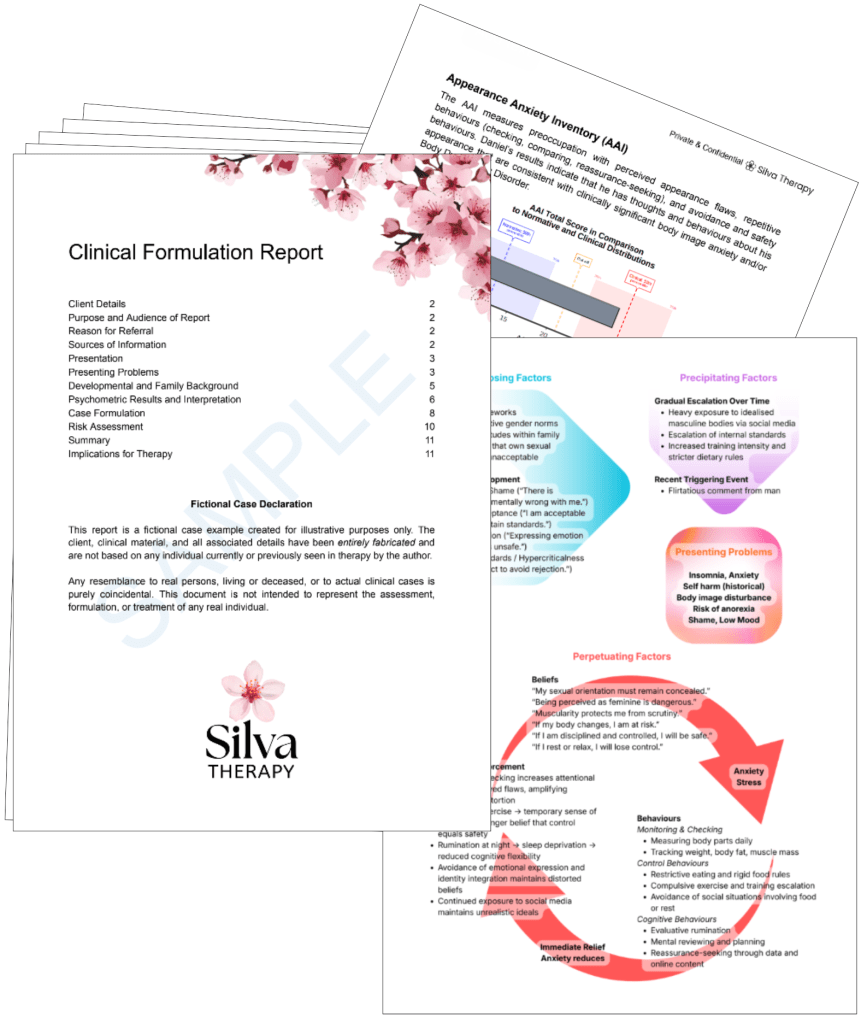
I synthesise this information into a psychological formulation, which I will explain and discuss with you in session. This formulation outlines the factors that have contributed to your current difficulties, the patterns that may be maintaining them, and the strengths and capacities that can support change. Your assessment results and formulation can be provided as a written report for you to take home and keep.
Many clients find this process clarifying and relieving. When your experiences are organised into a coherent and compassionate understanding, they often feel more understandable and less overwhelming. This clarity also helps us identify clear and meaningful targets for our therapeutic work.
Therapy Sessions
From this shared understanding, we decide together what to focus on in therapy. For some clients, this involves working in a structured, goal-focused way using specific evidence-based interventions (for example, behavioral activation and cognitive restructuring for Depression, or exposure and response prevention for OCD). For others, therapy provides an ongoing nurturing correcting relationship experience within which it becomes possible to reflect, process uncomfortable or traumatic experiences, and gradually reshape longstanding negative beliefs and unhelpful behaviours. Both approaches draw on the formulation we have developed together.
Enquiring About Therapy
If this approach resonates with you, please get in touch. You do not need to be certain about what is wrong or what you need from therapy; we will develop a clear understanding together.
Fees
Please enquire regarding fees. My usual rate is $185 per hour. However, I have the capacity to take on a certain number of clients at a discounted rate each year, particularly in the case of temporary financial hardship.
Location & Hours
My therapy room is in Main Street, Upper Hutt, where I work alongside several registered counsellors and an educational psychologist. Sessions are by appointment only, Tuesday to Friday and Saturdays.

Limitations of Service
There are a few areas where I may not be the best fit
Diagnostic Assessments: I am registered as a counsellor (PMNZAC) rather than a psychologist, and do not provide formal diagnostic assessments (such as Post-Traumatic Stress Disorder, Obsessive-Compulsive Disorder, Autism, ADHD, or Intellectual Disability). If a formal diagnosis is required, your GP can refer you to public services, or you may wish to consult a registered clinical psychologist or psychiatrist privately. I am happy to work alongside other professionals where appropriate.
Borderline Personality Disorder (BPD): I am able to work with many of the emotional and relational difficulties associated with all personality disorders, including Borderline Personality Disorder. However, I do not provide the full version of Dialectical Behaviour Therapy (DBT) that involves weekly group sessions as well as individual therapy and telephone support. If you have been diagnosed with BPD, I highly recommend working with a clinician or service that offers DBT delivered in group as well as individual format for maximum benefit to you.
Autism Spectrum Support: If you are autistic or seeking therapy for autism-related challenges, I recommend contacting Autism New Zealand to connect with a clinician who has extensive experience in neuroaffirming care. While I can help you explore the underlying factors contributing to anxiety and depression if those are present, the most effective support will come from someone who works deeply in this area and can offer tailored strategies informed by specialised expertise. In the meantime, I highly recommend The Autistic’s Guide to Self-Discovery: Flourishing as a Neurodivergent Adult by Sol Smith.
Couples Therapy: I do not offer joint sessions with couples. If you and your partner are seeking relationship therapy, I recommend working with a counsellor trained in Emotionally Focused Therapy (EFT), an attachment-rich, evidence-based approach for improving relationship connection and closeness. I also recommend Sue Johnson’s book Hold Me Tight, and any educational videos or books by Terry Real or Julie & John Gottman.
ACC/EAP: I do not currently accept ACC or Employee Assistance Programme (EAP) clients. I do accept WINZ clients.
All psychologists, psychotherapists and registered counsellors engage in ongoing professional supervision as part of ethical practice. I engage in supervision with two very experienced clinicians: Registered Clinical Psychologist Lucy Reynolds and Registered Counsellor Andrea Creighton, ensuring that my work remains clinically sound and accountable.


